A New Life with Safer Water and a Cleaner Home
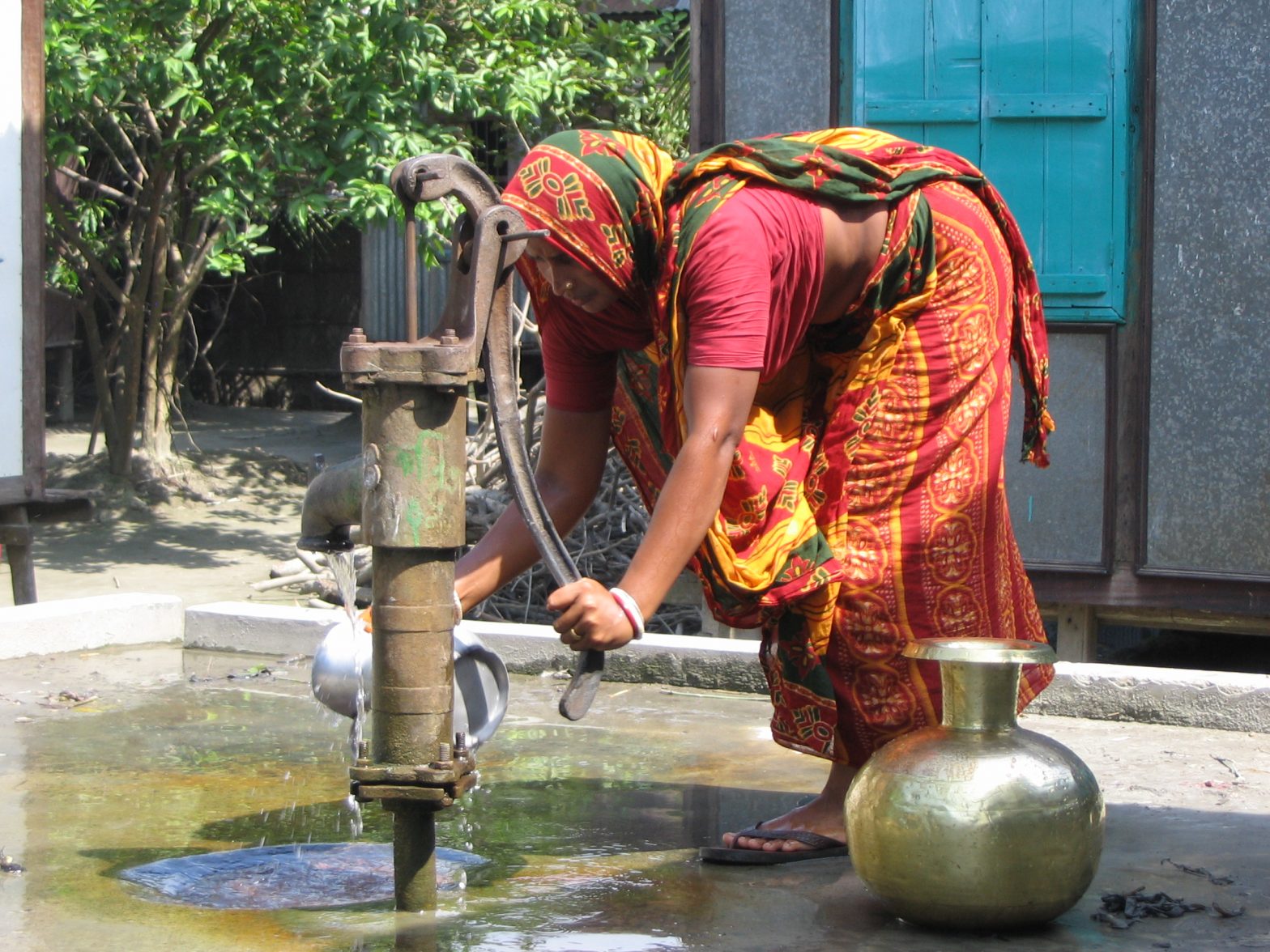
Andrea is a single mother of two young children at her home. She works as a day laborer in her hometown of Santa Catarina. She is able to provide for her family’s basic necessities, such as food and shelter. Still, she failed to save enough money to enhance the hygienic conditions of her household.
Over 24 million people in Brazil are affected by inadequate access to sanitation, which is a common issue in the country. This is one of the reasons why Water.org developed a presence in the country. Families may be able to finance clean water and sanitation solutions via modest, low-cost loans obtained …
The Real Problem with Poor Quality Water
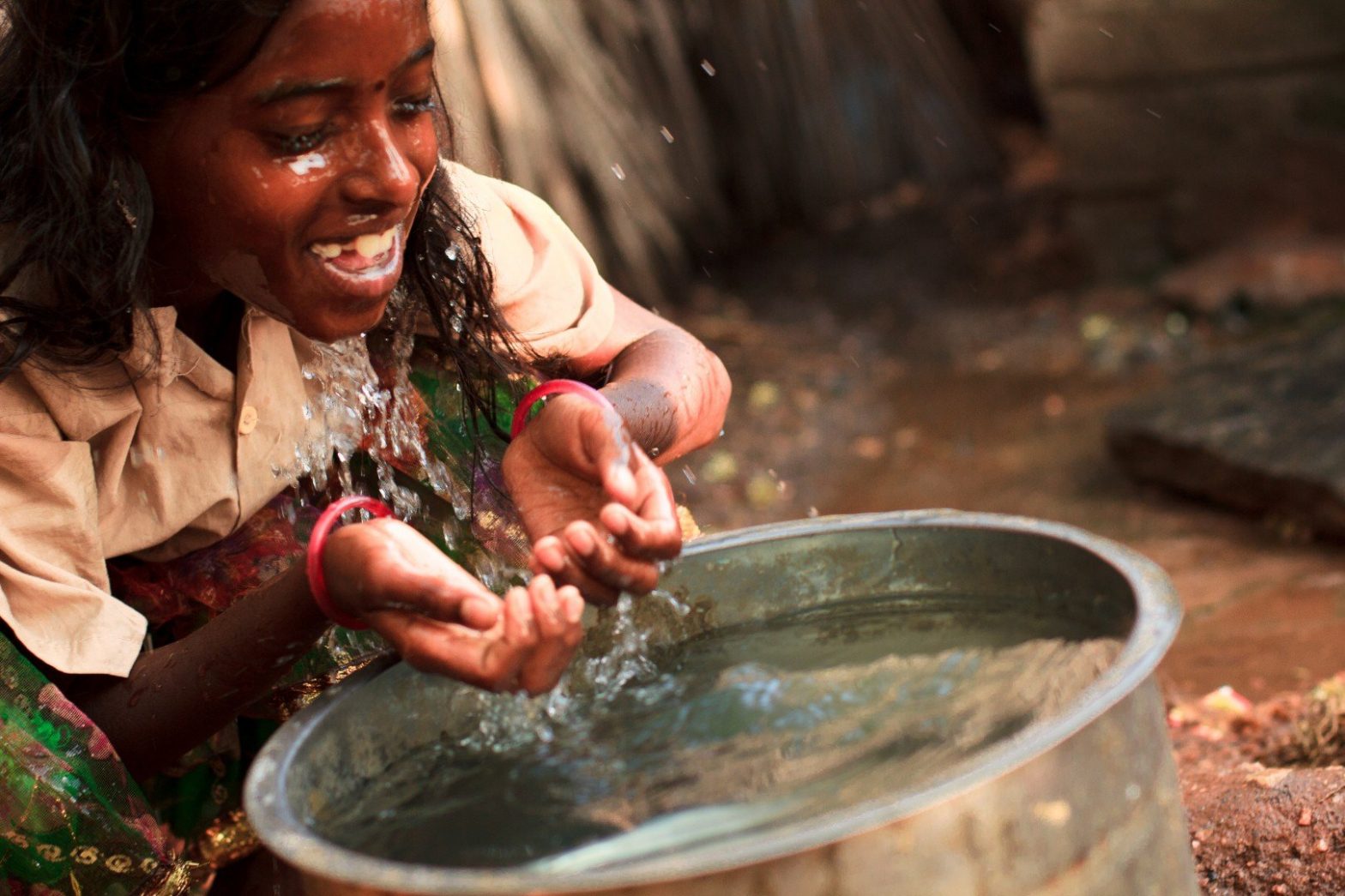
According to the World Health Organization, 1.7 million people worldwide die prematurely every year due to a lack of access to clean drinking water. There have been many reports of dangerous organisms, bacteria, and pollutants being found in the water supplies of impoverished nations because their governments lack the resources to implement thorough water sanitation programs.
Furthermore, in the lack of easily accessible medical care and medicines, people in water-stressed countries are more likely to succumb to water-borne illnesses.
This is considered one of the worst conditions and …
Innovative Ways to Provide Water for Developing Countries
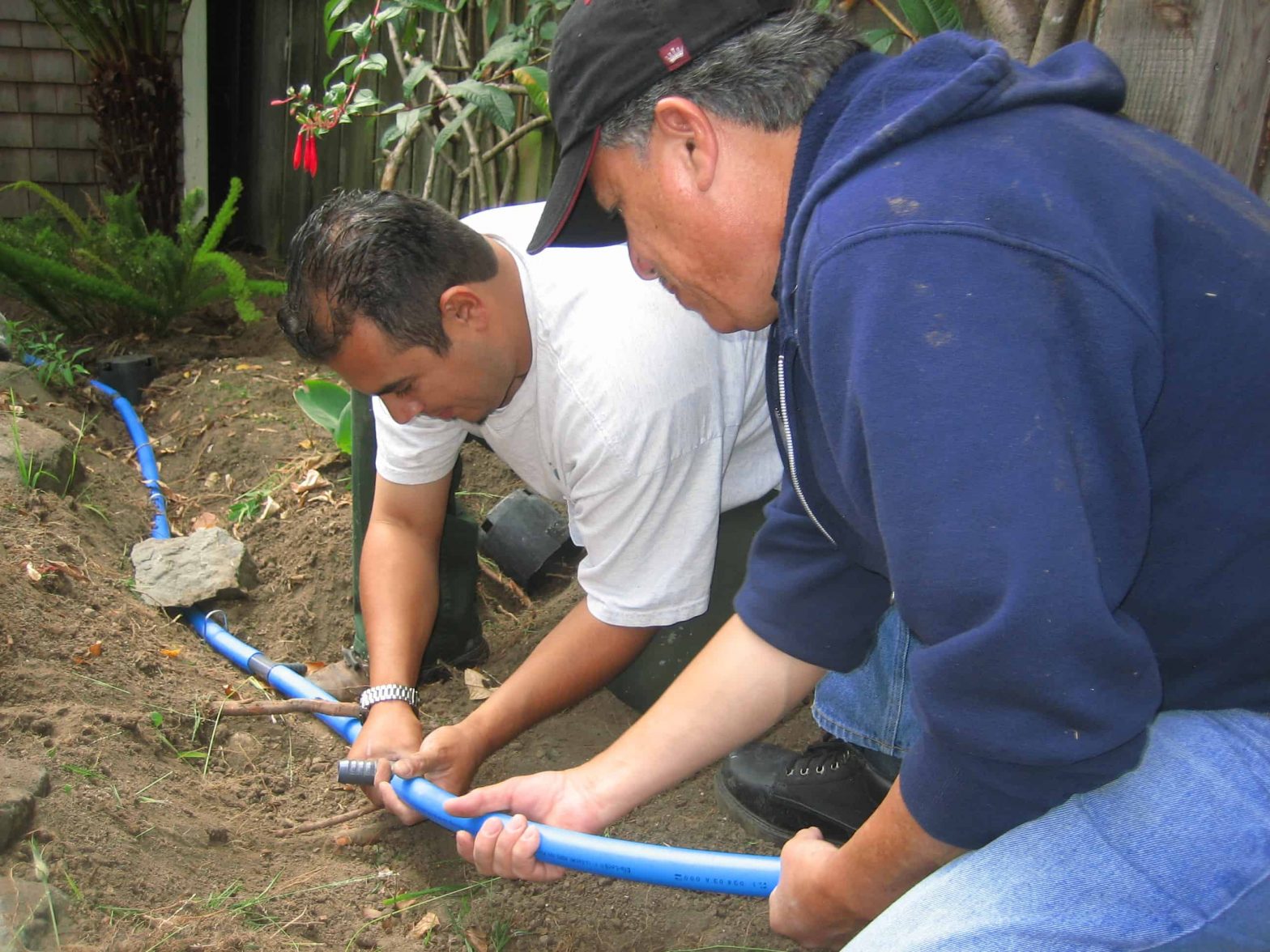
In spite of UNESCO’s prediction that there would be a worldwide water catastrophe by 2020, water shortage is now a reality in impoverished countries. These nations may learn about water management and conservation and by using rainwater collection. Water that is not drinkable is collected, diverted, and stored for future use.
To prevent cholera epidemics caused by dangerous flood floods, rainwater collection in Cameroon is essential. In order to collect rainwater, you need to follow a four-step process, which may be active or passive. Activated harvesting meets the needs of humans …
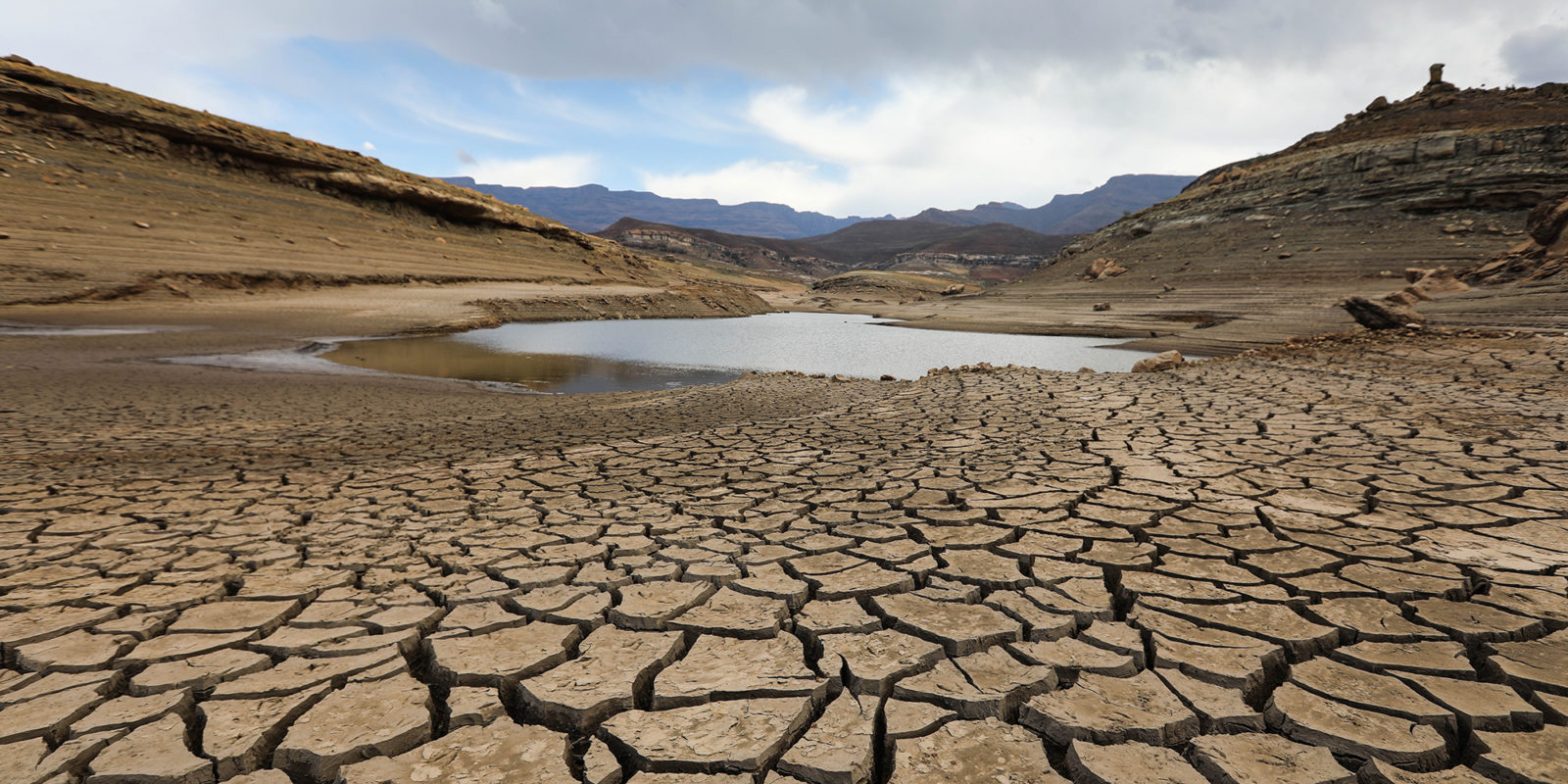
What You Need to Know about Africa’s Water Scarcity
Clean and safe potable water is scarce. At the moment, over 1 billion individuals in developing countries do not have access to this technology. Despite this, we take water for granted, squander it, and pay way too much for such little convenience.
Water is the building block of all life. And even today, all across the globe, far too many individuals devote their whole day to the pursuit of this elusive goal.
It is time spent collecting water and eventually suffering from water-borne illnesses in areas like Sub-Saharan Africa that restrict people’s ability to reach their full potential, …
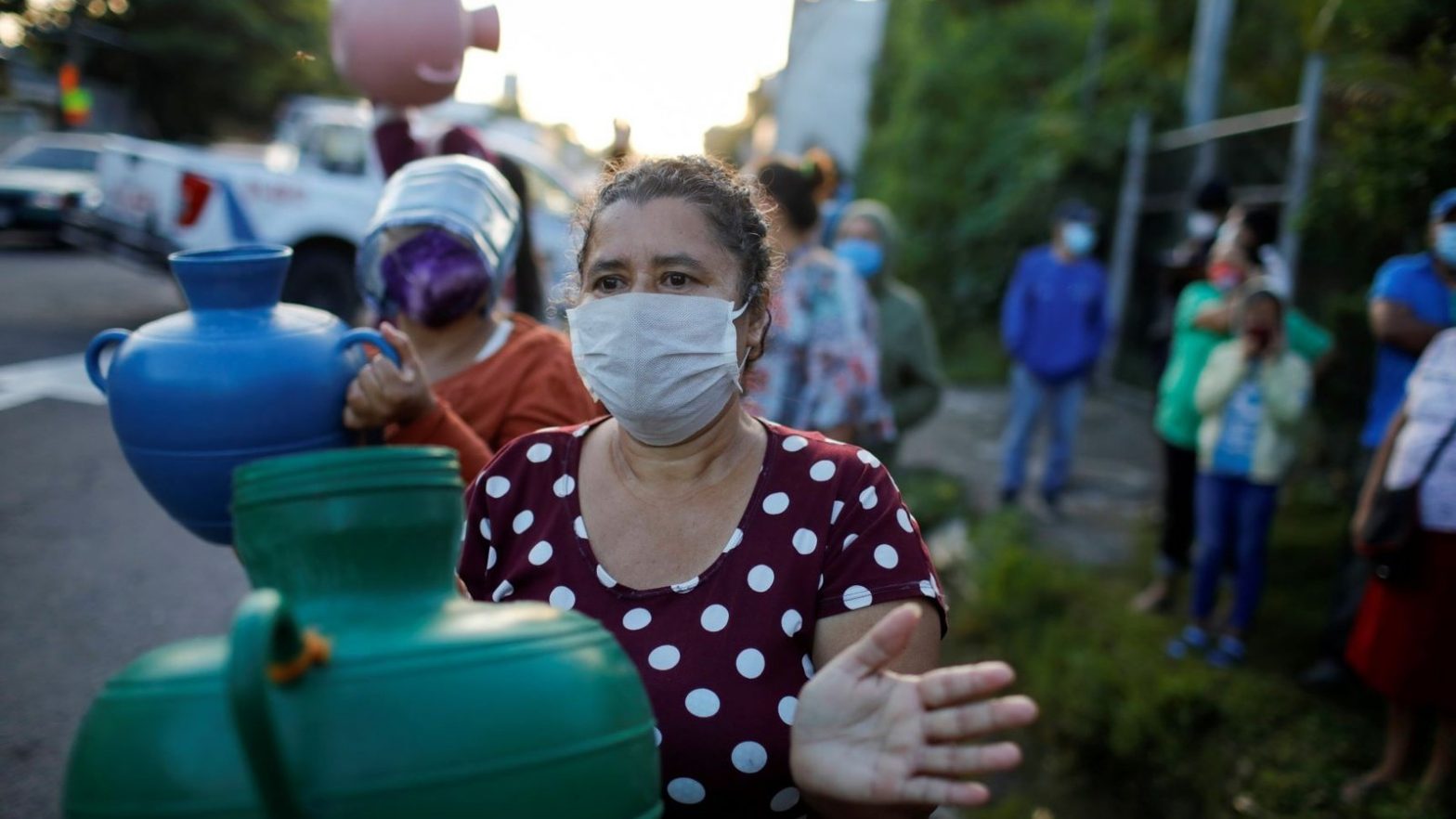
Celebrities Speak: Women as Solution to Water and Sanitation Crisis
Once you understand why we believe that water and sanitary developments are worthy investments, you will understand how critical they are to the people who rely on them. These are the kinds of investments that have impressive effects that go beyond a purely financial benefit.
However, economics is a fascinating subject in and of itself, so let’s start with that subject first. As stated by WHO, water and sanitary investments provide a return on investment of 430 percent in the form of decreased health burdens and improved productivity, especially for women.
This is a well-…
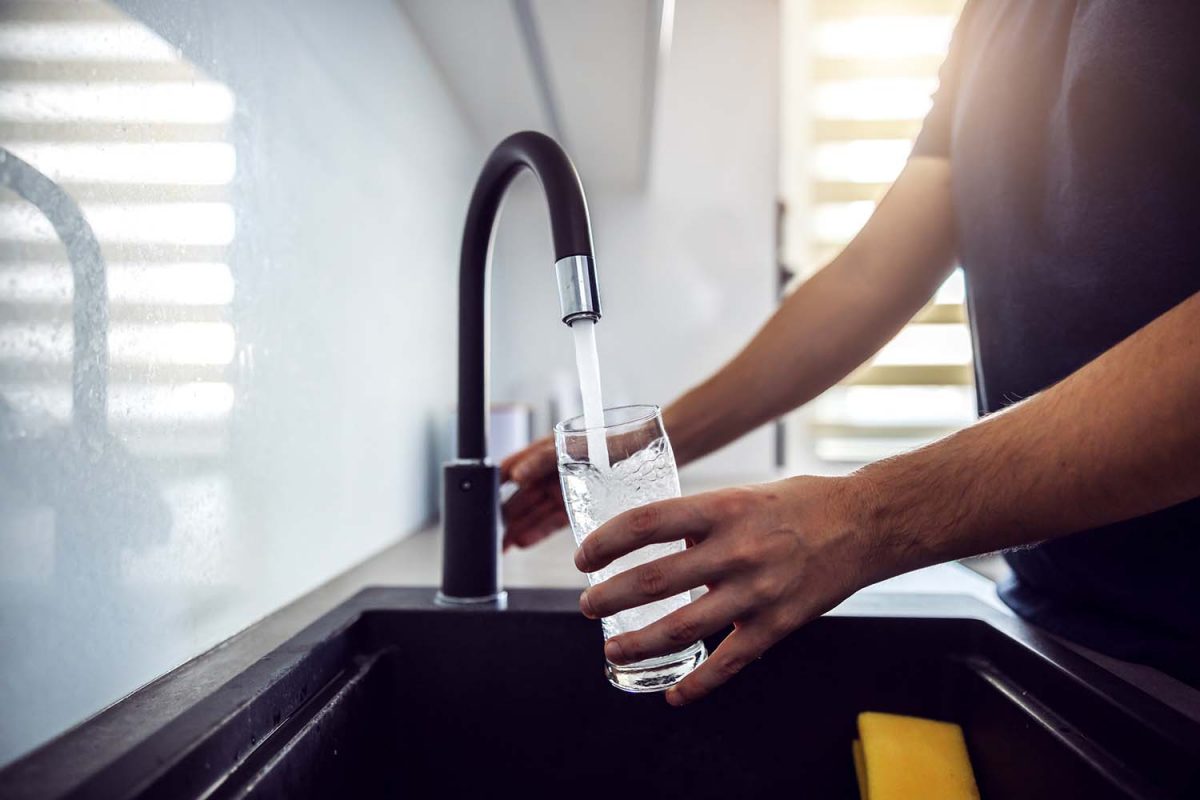
Safe Water for All, One Home at a Time
According to the United Nations Development Program, Kenya has a population of 50 million people, with 41 percent of them still reliant on unimproved water sources. This is a significant issue for Kenyan families living in poor urban areas and rural areas with inadequate access to water.
Approximately one hour west of Nairobi, Janice lives in a little village called Mwaiwai. Before then, she was one of the millions of people who rely only on unimproved water sources for their daily needs. Although her home is surrounded by beautiful open countryside, filled with long grasses and animals, it does not have access to running water or electricity.
…