How Clean Water Changes Everything: Technologies Bringing Hope to Communities in Need
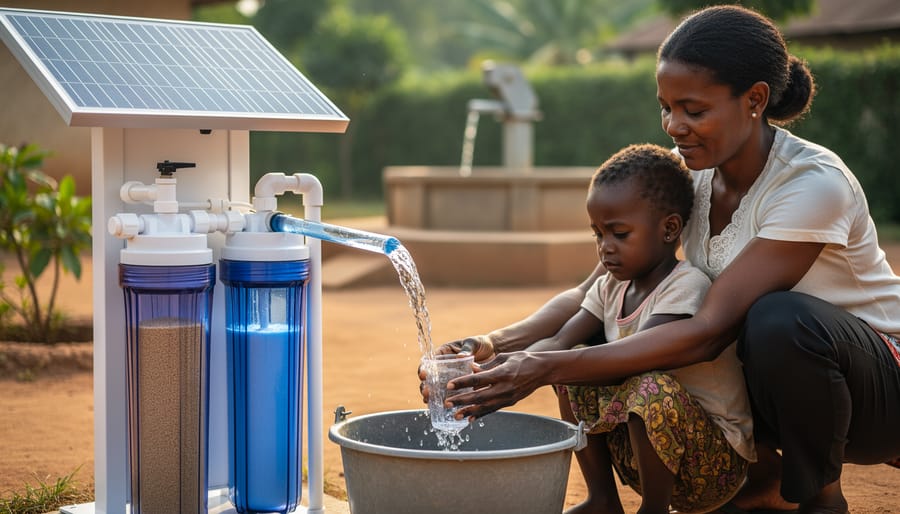
Water treatment technologies transform communities by turning contaminated sources into safe drinking water, using methods ranging from simple ceramic filters and chlorination systems to solar-powered purification and biosand filtration. These solutions address a fundamental human need that affects communities worldwide, where families still face daily risks from waterborne diseases and children miss school because they spend hours walking to distant water sources.
The right technology can reshape a community’s future. When clean water becomes accessible, mothers gain time to work or rest instead of …
What Is Economic Water Scarcity (and How Does It Impact Communities)?
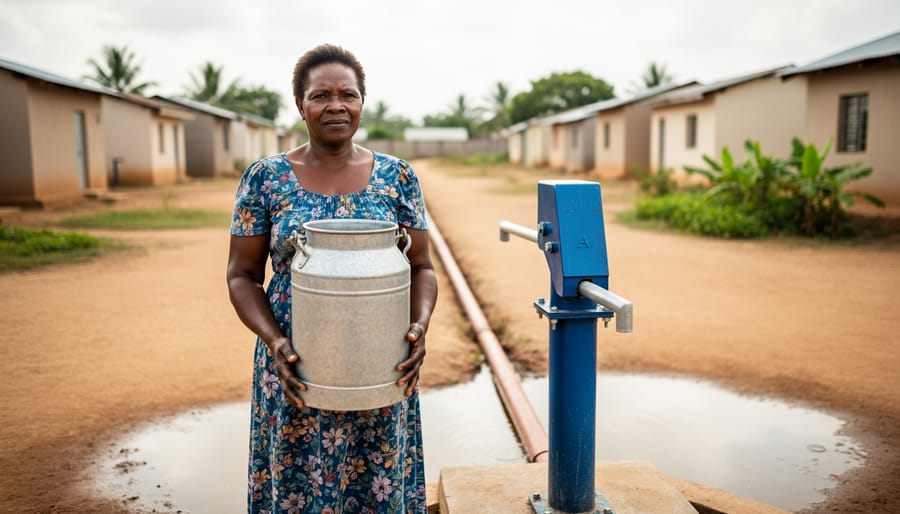
Economic water scarcity occurs when communities have access to freshwater sources, but lack the financial resources, infrastructure, or institutional capacity to deliver clean water to the people who need it. Unlike physical water scarcity, where water simply doesn’t exist in sufficient quantities, economic scarcity means the water is there, but poverty, inequality, and inadequate investment keep it out of reach.
This distinction matters deeply. Right now, more than 1.6 billion people live in regions facing economic water scarcity. These communities watch rivers flow past their homes and know groundwater lies beneath their feet, yet families still walk hours each day to collect water from unsafe sources. Children miss school…
Water and Sanitation Interventions That Transform Communities Forever
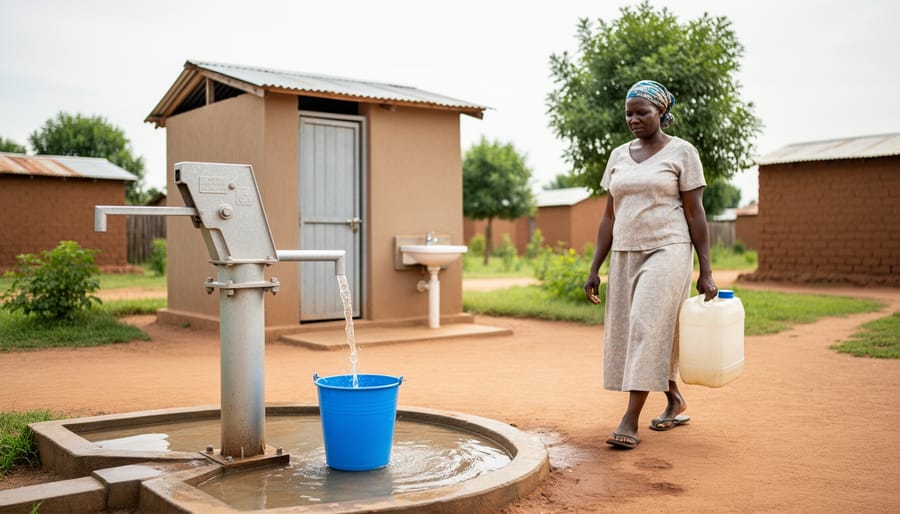
Water and sanitation interventions are systematic efforts to provide communities with clean drinking water, safe toilets, and hygiene education. These interventions transform lives by preventing waterborne diseases, reducing child mortality by up to 50%, and restoring dignity to families who previously lacked basic facilities.
Every day, roughly 700 million people worldwide still lack access to clean water sources within a 30-minute walk from their homes. Another 2 billion don’t have access to safe sanitation facilities. These aren’t just statistics. Behind each number is a mother who rises before dawn to fetch water instead of sending her daughter to school. A father who watches his child suffer from preventable …