What Are Beneficial Human Influences on Surface Water? (And How They Improve Lives)
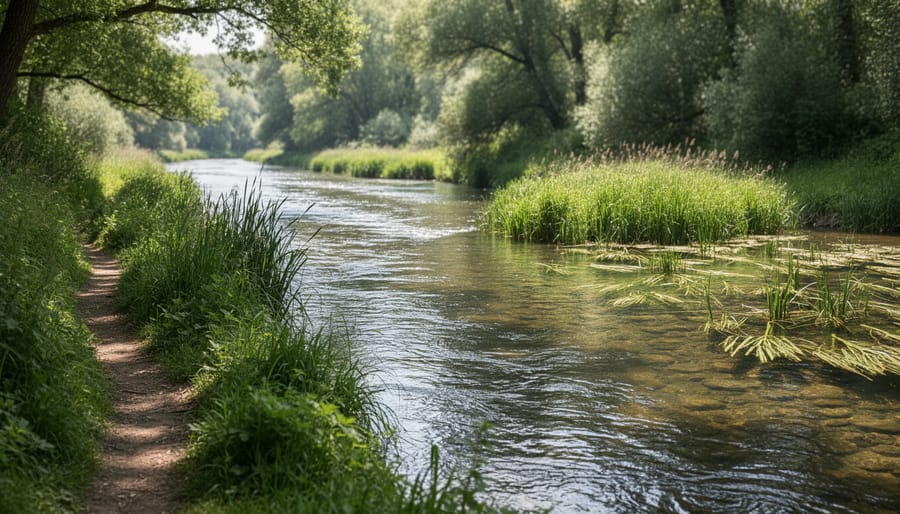
Beneficial human influences on surface water are deliberate interventions that improve water quality, increase availability, or restore natural ecosystems in rivers, lakes, streams, and wetlands. From restoring degraded watersheds to implementing green infrastructure in cities, these positive actions prove that people can reverse environmental damage and create lasting change for communities worldwide.
While headlines often focus on pollution and depletion, a quieter revolution is unfolding across continents. Communities are cleaning waterways that were declared dead decades ago. Engineers are designing systems that mimic nature instead of fighting it. Farmers are adopting practices that heal the land while feeding their families…
How Clean Water Changes Everything: Technologies Bringing Hope to Communities in Need
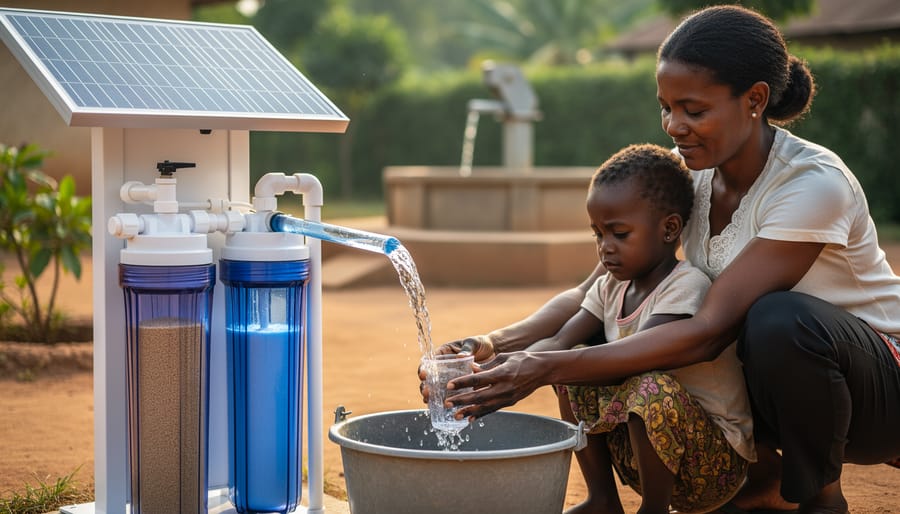
Water treatment technologies transform communities by turning contaminated sources into safe drinking water, using methods ranging from simple ceramic filters and chlorination systems to solar-powered purification and biosand filtration. These solutions address a fundamental human need that affects communities worldwide, where families still face daily risks from waterborne diseases and children miss school because they spend hours walking to distant water sources.
The right technology can reshape a community’s future. When clean water becomes accessible, mothers gain time to work or rest instead of …
What Is Economic Water Scarcity (and How Does It Impact Communities)?
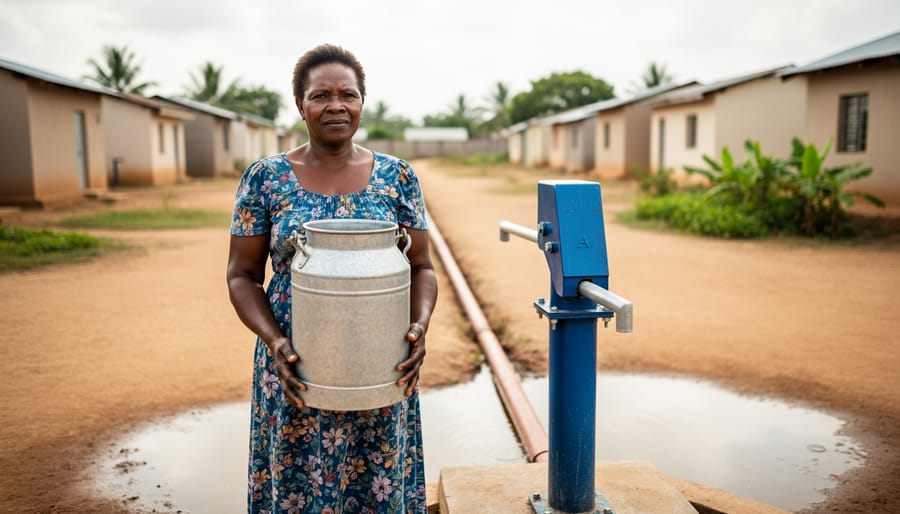
Economic water scarcity occurs when communities have access to freshwater sources, but lack the financial resources, infrastructure, or institutional capacity to deliver clean water to the people who need it. Unlike physical water scarcity, where water simply doesn’t exist in sufficient quantities, economic scarcity means the water is there, but poverty, inequality, and inadequate investment keep it out of reach.
This distinction matters deeply. Right now, more than 1.6 billion people live in regions facing economic water scarcity. These communities watch rivers flow past their homes and know groundwater lies beneath their feet, yet families still walk hours each day to collect water from unsafe sources. Children miss school…
Water and Sanitation Interventions That Transform Communities Forever
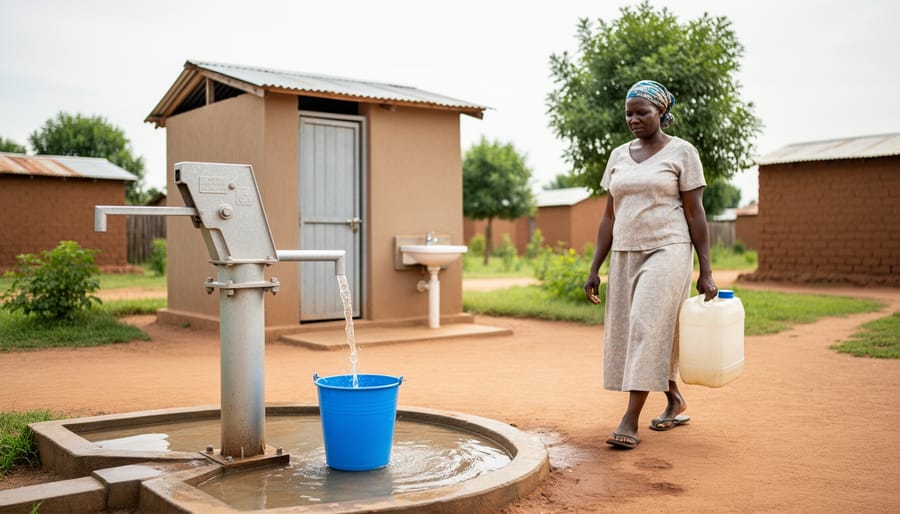
Water and sanitation interventions are systematic efforts to provide communities with clean drinking water, safe toilets, and hygiene education. These interventions transform lives by preventing waterborne diseases, reducing child mortality by up to 50%, and restoring dignity to families who previously lacked basic facilities.
Every day, roughly 700 million people worldwide still lack access to clean water sources within a 30-minute walk from their homes. Another 2 billion don’t have access to safe sanitation facilities. These aren’t just statistics. Behind each number is a mother who rises before dawn to fetch water instead of sending her daughter to school. A father who watches his child suffer from preventable …
How Water Pollution Affects the Environment (And Why Clean Water Changes Everything)
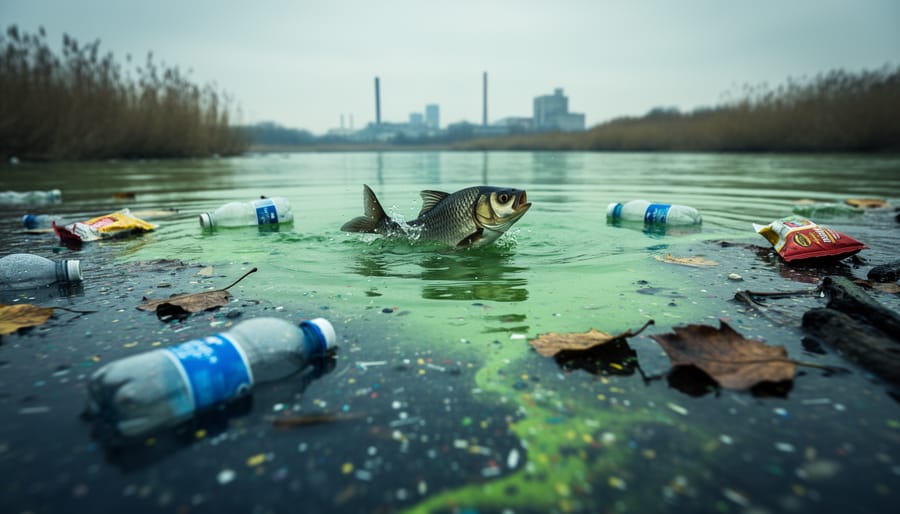
Right now, somewhere in the world, a child is drinking water contaminated with industrial waste. A river ecosystem that sustained life for centuries is collapsing. A coastal community is watching its fishing industry disappear.
Water pollution doesn’t just dirty our rivers and oceans. It triggers a cascade of environmental disasters that ripple through every ecosystem on Earth. When chemicals seep into groundwater, when plastic chokes marine life, when agricultural runoff creates dead zones in our seas, we’re witnessing the unraveling of the intricate web that sustains all life.
Consider what happened in Lake Erie just last year. Agricultural pollutants created toxic algae blooms spanning over 600 square miles, …
How Banking Solutions Are Breaking the Cycle of Water Poverty
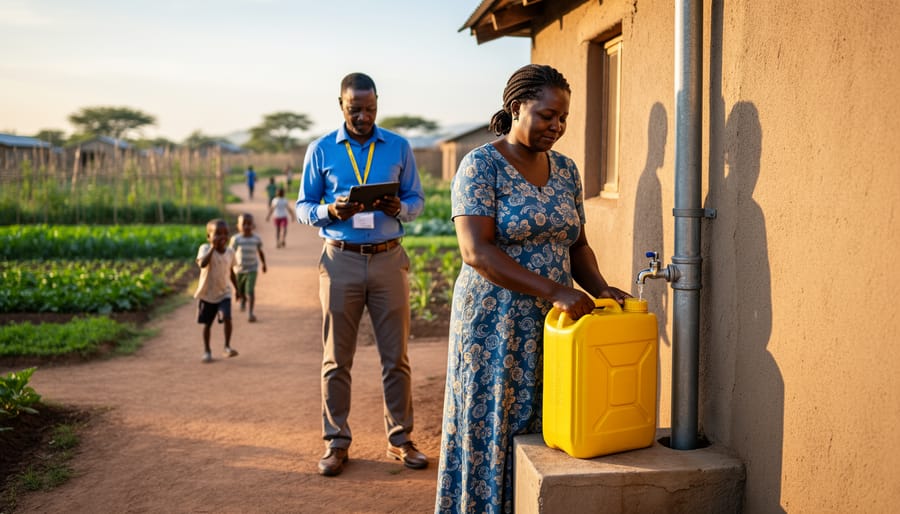
Access to clean water shouldn’t depend on charity alone. Every day, 2 billion people worldwide live without safe drinking water—not because solutions don’t exist, but because traditional aid models can’t reach everyone who needs help. Banking and financial support services are changing this reality by creating sustainable systems that empower communities to solve their own water crises.
Unlike one-time donations that provide temporary relief, financial mechanisms create lasting change. Microloans allow families to install household water connections they repay over time, transforming them from aid recipients into active participants in their communities’ development. Water credit programs have already …